
The advisor
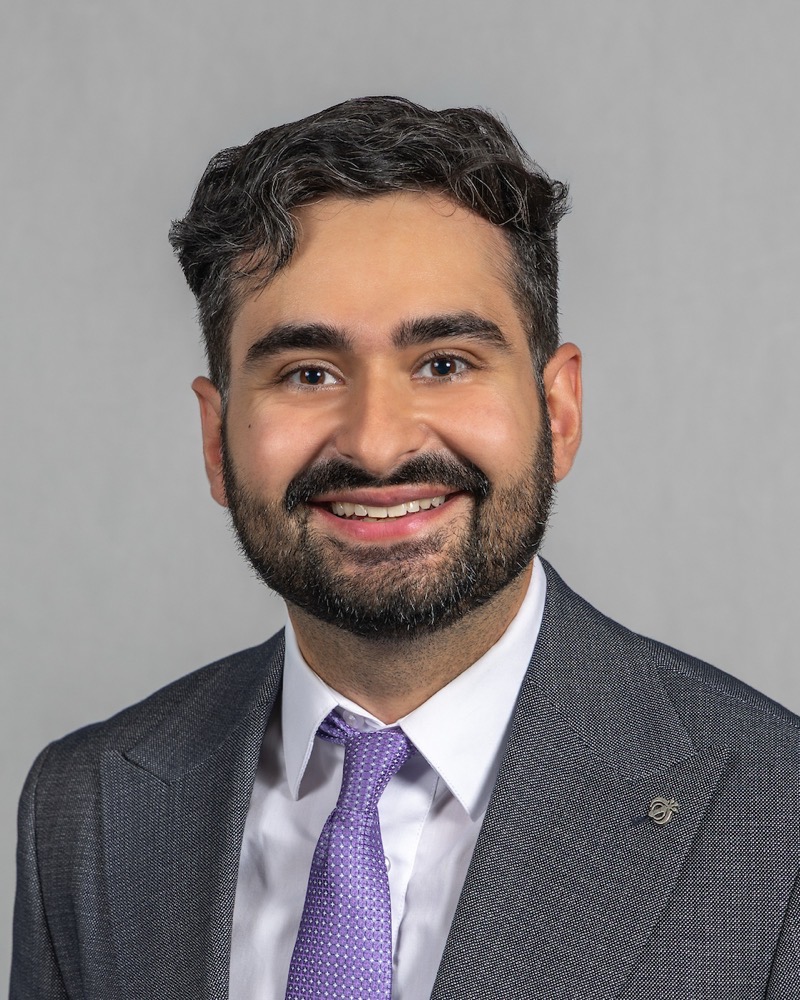
Neil
MD Candidate, Top 10 Medical School. The advisor you will be working directly with in every session.
Coming to medicine second.
Neil spent several years in the startup world before he applied to medical school. He was a career changer, which meant assembling an application out of a record that was not designed to be one, and explaining it convincingly to people who see a thousand straightforward applications a year.
He went through the cycle recently enough that the details are still exact: which schools reuse their secondary prompts, how long a real MMI station runs, what happens in the room when an answer is technically fine and obviously rehearsed. That recency, as well as Neil's knack for crafting a narrative, approaching an interview with charisma and authenticity, and staying on top of every detail in the application process, is what makes Neil's experience and knowledge so valuable.
He is now a medical student working to pursue a surgical career, and he advises a small number of applicants each cycle alongside it.
How he works.
The first job is questions, not edits. Most applicants arrive with the interesting part of their story buried under a paragraph of throat-clearing, and no amount of line editing fixes that. So the early sessions are spent finding what the application is actually about, and the writing gets easier once that is settled.
Feedback is written down. After a mock interview you get notes you can work from, not a general sense that it went well. After an essay draft you get marked passages and the reason each one is marked. It is a slower way to give feedback and it is the only kind you can use a week later.
He is direct about weak spots. A cycle has a fixed number of weeks in it, and an advisor who tells you in April that everything looks good has taken something from you that cannot be given back in September.
What he will not do.
- Write your essays. You write. He edits and questions. The application you submit has to be yours, and committees can tell.
- Promise an outcome. Nobody controls an admissions decision. Anyone who implies otherwise is describing something they cannot deliver.
- Hand you to someone else. Every session is with him. There is no junior reader.
- Sell you more than you need. If you have a strong primary and only need interview work, then interview work is all you should be paying for.
From a client
“I'm a career changer who made a big pivot into medicine, and Neil was a huge asset in my admissions success. His experience working with individuals coming from nontraditional backgrounds was evident from the very beginning; he knew how to shape my story, how to craft my experiences, and how to build a narrative that led to a very successful application cycle.”
Start here
Talk to Neil before you decide.
Thirty minutes over video, at no cost. It is a conversation about your cycle, not a pitch, and it ends with a straight answer about whether this is worth your money.